
Selling in Toledo? See every seller closing cost in Lucas County for 2026, from the...
Read MoreInvestor Education
The BRRRR method is a real estate investing strategy where you buy a distressed property below market value, rehab it to force appreciation, rent it to a qualified tenant, refinance to pull your original cash back out, and repeat on the next deal. The whole point: recover most or all of your invested capital so you can keep buying rentals without saving a fresh down payment each time.
What Does BRRRR Stand For?
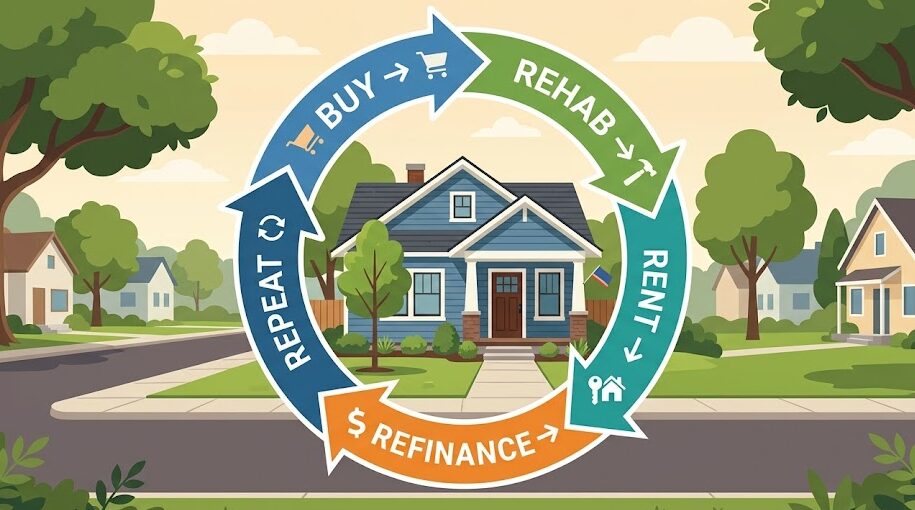
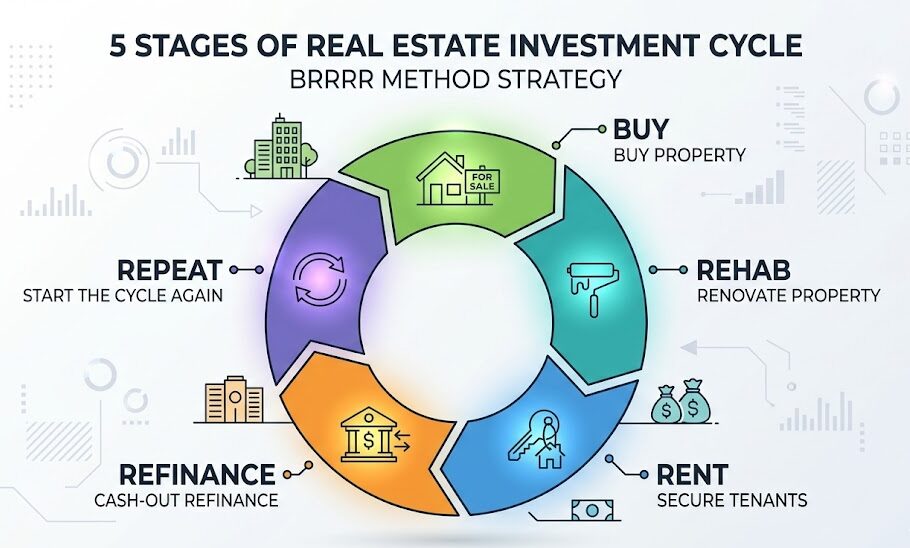
BRRRR stands for Buy, Rehab, Rent, Refinance, Repeat, five steps that turn one chunk of capital into a repeatable engine for acquiring cash-flowing rentals.
| Step | What you do | Goal |
|---|---|---|
| Buy | Purchase a distressed / undervalued property | Get in below market value |
| Rehab | Renovate strategically | Force appreciation (raise the ARV) |
| Rent | Place a qualified tenant | Create monthly cash flow |
| Refinance | Get a new loan on the higher value | Pull your capital back out |
| Repeat | Use that recycled cash on the next deal | Scale the portfolio |
This is the core of how the BRRRR method works: instead of your money getting “stuck” in one property, you recycle your capital deal after deal.
The BRRRR Method Step by Step
1. Buy – Purchase Below Market Value
BRRRR lives or dies on the buy. You’re not looking for a move-in-ready home; you’re looking for a distressed property you can acquire well under its eventual repaired value, off-market deals, foreclosures, tired rentals, or homes that scare off retail buyers.
The number that matters most is the ARV (After Repair Value), what the property will be worth once renovated. A common guideline: keep your total all-in cost (purchase + rehab + closing) at or below ~75% of ARV, because that’s typically the maximum a lender will refinance against later. In Toledo, low entry prices make this realistic, distressed single-families regularly trade in the $50k–$70k range.
2. Rehab – Force Appreciation
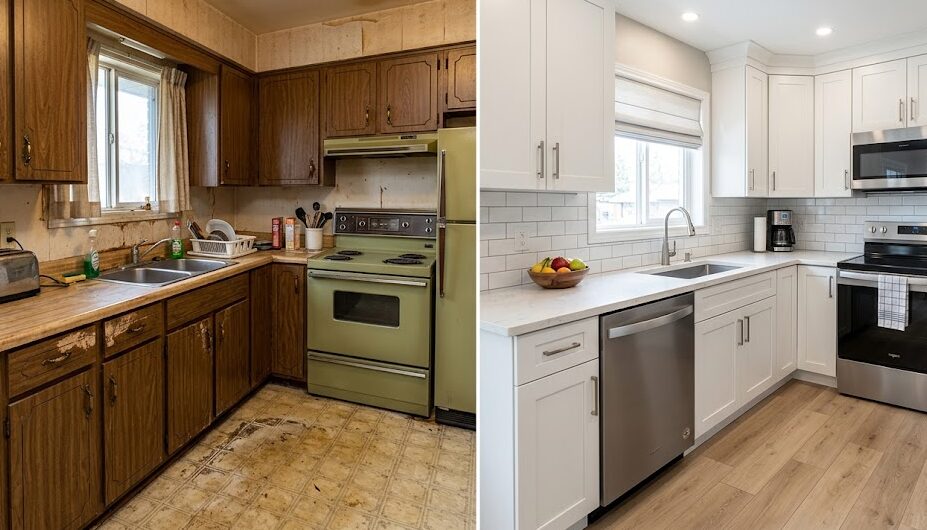
This step is where you force appreciation, manually increasing value through renovation instead of waiting years for the market. Smart BRRRR rehabs focus on items that move both value and rent: kitchens, bathrooms, flooring, paint, roof, and mechanicals. Avoid over-improving for the neighborhood; budget conservatively and add a contingency for surprises.
3. Rent – Create Cash Flow
Before you refinance, most lenders want the property rented and “seasoned” with a real tenant. Placing a qualified tenant proves income to the lender and starts your monthly cash flow. Screen carefully, income, rental history, background. Steady demand from employers like ProMedica and Jeep keeps quality Toledo rentals occupied year-round.
4. Refinance – Pull Your Capital Back Out
Now you replace your initial financing (often cash or a short-term/hard-money loan) with a long-term mortgage based on the property’s new, higher appraised value, a cash-out refinance on the rental. Lenders typically refinance at 70–75% of the ARV. If your all-in cost was at or below that number, you can pull most, sometimes all, of your capital back out, tax-free (it’s a loan, not income), while the property keeps cash-flowing.
5. Repeat – Scale the Portfolio
With your capital recovered, you do it again. Each cycle adds a cash-flowing asset while returning the cash you need for the next purchase. This compounding is the entire appeal of BRRRR, it’s how investors go from one rental to ten without saving ten separate down payments.
A Real Toledo BRRRR Example (With Numbers)
Numbers vary by property and neighborhood class, but here’s a realistic Toledo deal to show the math:
| Item | Amount |
|---|---|
| Purchase price (distressed) | $55,000 |
| Rehab budget | $25,000 |
| Closing + holding costs | $5,000 |
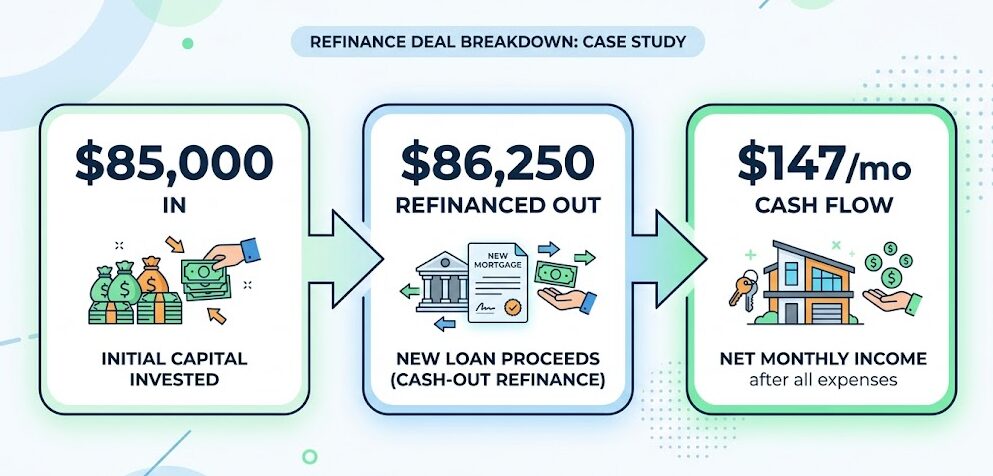
| Total all-in cost | $85,000 |
| After Repair Value (ARV) | $115,000 |
| Monthly rent | $1,250 |
The Refinance
- Refinance at 75% of ARV → 0.75 × $115,000 = $86,250 new loan
- New loan ($86,250) ≥ all-in cost ($85,000) → you pull back essentially 100% of your capital
- Cash left in the deal: ~$0
Monthly Cash Flow After Refinance
| Monthly expense | Amount |
|---|---|
| Mortgage P&I (~7.5%, 30-yr on $86,250) | ~$603 |
| Property taxes (Lucas County) | ~$150 |
| Insurance | ~$75 |
| Property management (10%) | ~$125 |
| Vacancy + maintenance reserves | ~$150 |
| Total expenses | ~$1,103 |
| Rent | $1,250 |
| Cash flow | ~$147 / month |
The headline result: a cash-flowing rental with almost none of your own money left in it. When you recover nearly all your capital, your cash-on-cash return approaches infinite, and you’re free to roll that money into the next deal. (Figures are illustrative; every deal must be underwritten individually.)
BRRRR Method Pros and Cons
Pros
- Recycle your capital and scale faster than traditional buy-and-hold
- Build instant equity through forced appreciation
- Tax-free access to your money via refinance
- Each property cash-flows after refinancing
Cons
- Depends on an accurate ARV and disciplined buying
- Rehab can run over budget or behind schedule
- A low refinance appraisal can leave cash trapped
- Higher rates shrink cash flow and refinance proceeds
- Not passive, the rehab takes real management
The honest takeaway: BRRRR is powerful but unforgiving of a bad buy or a sloppy rehab estimate. The profit is made the day you purchase.
Who Is the BRRRR Method Best For?
BRRRR fits investors who want to build a portfolio with limited capital and are comfortable taking on renovation risk, or who partner with someone who handles it. It works best in affordable, high-rent-to-price markets where the math pencils out. Expensive coastal markets rarely leave room to pull your money back; markets like Toledo are built for it.
For out-of-state investors, the rehab and tenant-placement steps are hardest to manage remotely, which is exactly where a local, investor-focused agent and a vetted contractor + property-management team make BRRRR possible from anywhere.
Common BRRRR Mistakes to Avoid
- Overpaying on the buy, no rehab is good enough to fix a bad purchase price.
- Underestimating rehab, always add a 10–15% contingency.
- Overestimating ARV, pull real comps, not optimistic guesses.
- Ignoring refinance terms, know your lender’s LTV, seasoning period, and rate before you buy.
- Skipping cash-flow analysis, a deal that refinances perfectly but barely cash-flows is still weak.
Why Toledo Is a Strong BRRRR Market
Toledo checks the boxes BRRRR needs: low entry prices, strong rent-to-price ratios, steady rental demand from major employers, and enough distressed inventory to find deals. Low purchase prices keep your all-in cost under the 75% ARV threshold far more easily than in pricier metros, which is the whole game in BRRRR.
Frequently Asked Questions
What does BRRRR stand for in real estate?
BRRRR stands for Buy, Rehab, Rent, Refinance, Repeat, a strategy for recycling your capital to build a rental portfolio.
How much money do you need to start the BRRRR method?
It varies, but in an affordable market like Toledo, investors often start with enough to cover the purchase, rehab, and holding costs of one property, much of which is recovered at refinance. Exact requirements depend on financing and the deal.
Does the BRRRR method actually work?
Yes, when the buy price, rehab budget, and ARV are accurate. The strategy fails most often because of overpaying or underestimating rehab, not because the method itself is flawed.
What’s the difference between BRRRR and flipping?
A flip sells the property for a one-time profit; BRRRR keeps it as a long-term, cash-flowing rental while recovering your capital through refinance instead of a sale.
Ready to Run Your First Toledo BRRRR Deal?
If you’d like help sourcing a deal that actually pencils out, and a local team to handle the parts you can’t do from out of state, let’s talk.
Disclaimer: This article is for educational purposes and is not financial, tax, or legal advice. All numbers are illustrative; consult appropriate professionals before investing.

Rent-to-Own and Lease-Purchase Homes in Toledo, Ohio: How It Works, Costs, and Safer Alternatives
Thinking about rent-to-own in Toledo? See how lease-options and land contracts work under Ohio law,...
Read More
Turnkey Rentals in Ohio vs Indiana vs Tennessee: Which State Fits Your Goals in 2026?
Toledo, Indianapolis, or Memphis? Compare 2026 turnkey rental prices, HUD rents, property taxes, and eviction...
Read More
1031 Exchange in Ohio: Rules, Deadlines, and How to Exchange Into Toledo Rentals
Selling an Ohio rental? A 1031 exchange defers federal tax, depreciation recapture, and Ohio's 2.75%...
Read More